Introduction/Abstract
When most people think of wildlife and nature, they picture a place far far away. A national park, a remote trail, somewhere that needs a long drive and a packed lunch. In August, I joined Urban-Woods Initiative for a BioBlitz and at Discovery Park in Seattle! It was a great way to be reminded that nature is a lot closer than most of us realize. It was my first BioBlitz and my first real time using iNaturalist! After spending a couple hours with the Urban-Woods Initiative, I left with a new appreciation for urban green spaces and a plant I’ll definitely be snacking on next time I’m on a trail!
What is a BioBlitz?
A BioBlitz is a community science event where a group of people work together to identify and record as many species as possible in a a set location within a set amount of time. Although it was community science, it was less of a formal research event and more like a nature scavenger hunt. The goal isn’t perfection, it’s perfection. Anyone can join, regardless of experience or knowledge, and every observation counts.
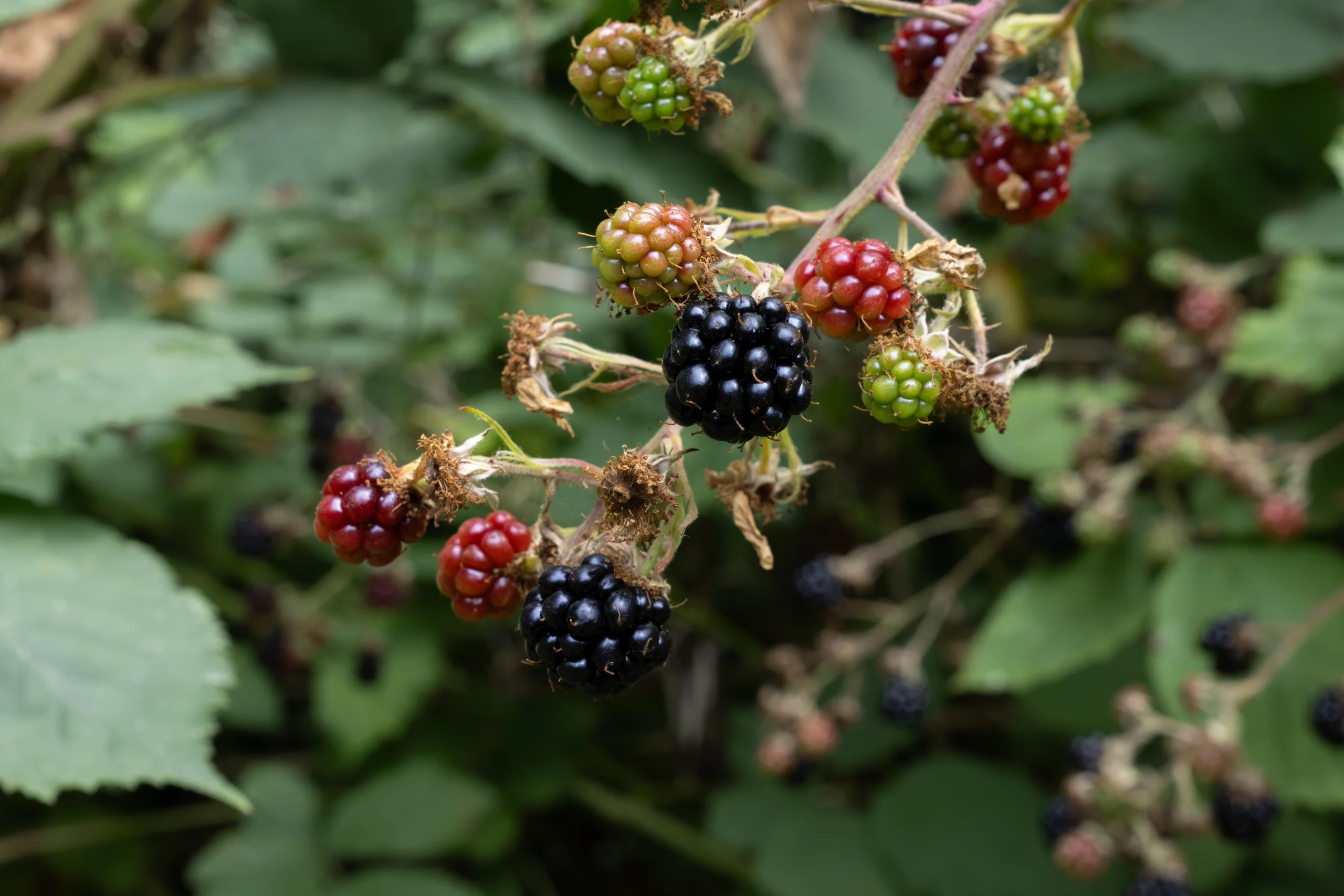
This particular BioBlitz was organized by Urban Woods Initiative, an organization focused on breaking down the barrier between people and nature. Our group was small, about 10 people, and ran from 10am to 1pm at Discovery Park. Discovery Park is a large urban park right in the middle of Seattle, surrounded by the city. It was a great place to show how accessible nature can be, even in a dense urban area.
iNaturalist: A Field Guide in Your Pocket
The main tool we used during the BioBlitz was iNaturalist, a free app where you can take a picture of a plant or animal and get an identification from its AI model. You can also upload it to the iNaturalist community and get feedback from experts! I had heard of iNaturalist but this was my first real time using it!
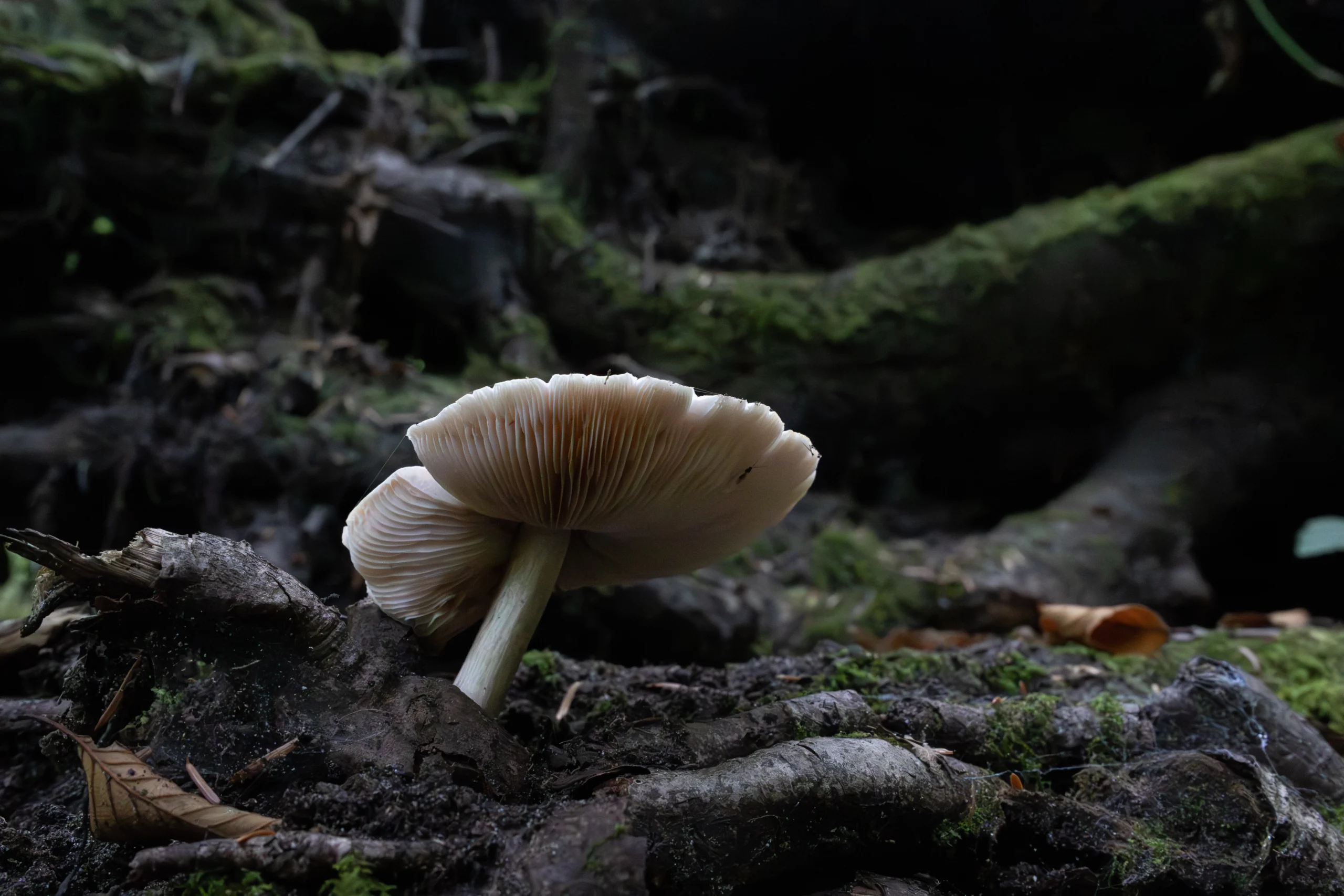
What I really liked was how it handled uncertainty. If the app couldn’t identify the exact species, it would still identify the family or genus of the organism. It also gave percentages on what it could be! It gave me a starting point and a direction to learn more about the species I was seeing. It reminded me a lot of what I wrote about in my AI and wildlife conservation post where I talked about how AI models in the field can be paired with human review! iNaturalist is a great example of that in action. The AI get you most of the way there and the community helps to fill in the rest.
I’m very excited to keep using iNaturalist in the future. I’m heading to Berlin soon and looking forward to seeing what I can identify there!
Who Led the Event
The BioBlitz was led by two people volunteering their time for this event. One of them works for the National Parks Department and the other didn’t work professionally in conservation but had a background in botany and was as close as an expert as you can get. Having someone to ask about plants specifically was incredibly valuable since the majority of what we were identifying were plants. It felt a lot like my experience at National Moth Week where having knowledgeable people nearby to answer questions made the whole experience that much better!
What We Found
The majority of the species we identified were plants! Which made sense since they were pretty abundant and when we paused to take a look around, it was easy to see that there were so many to identify. After plants, the next most common finds were spiders, mostly dome weavers and orb weavers. Although we were finding a lot of the same species, it was still exciting to spot them. Identifying the same species also still helps with the BioBlitz! It helps give a more accurate representation of the ecosystem.
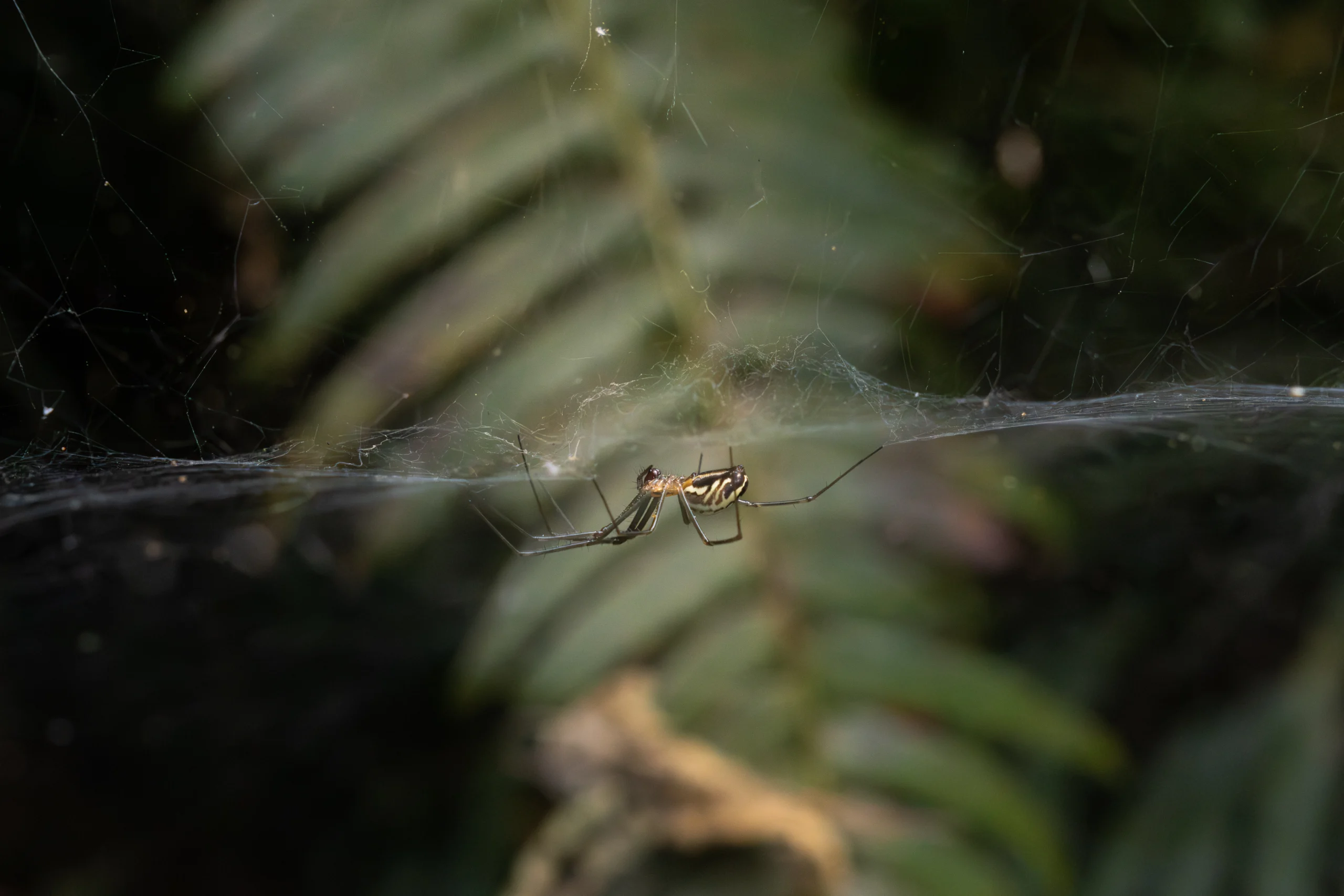
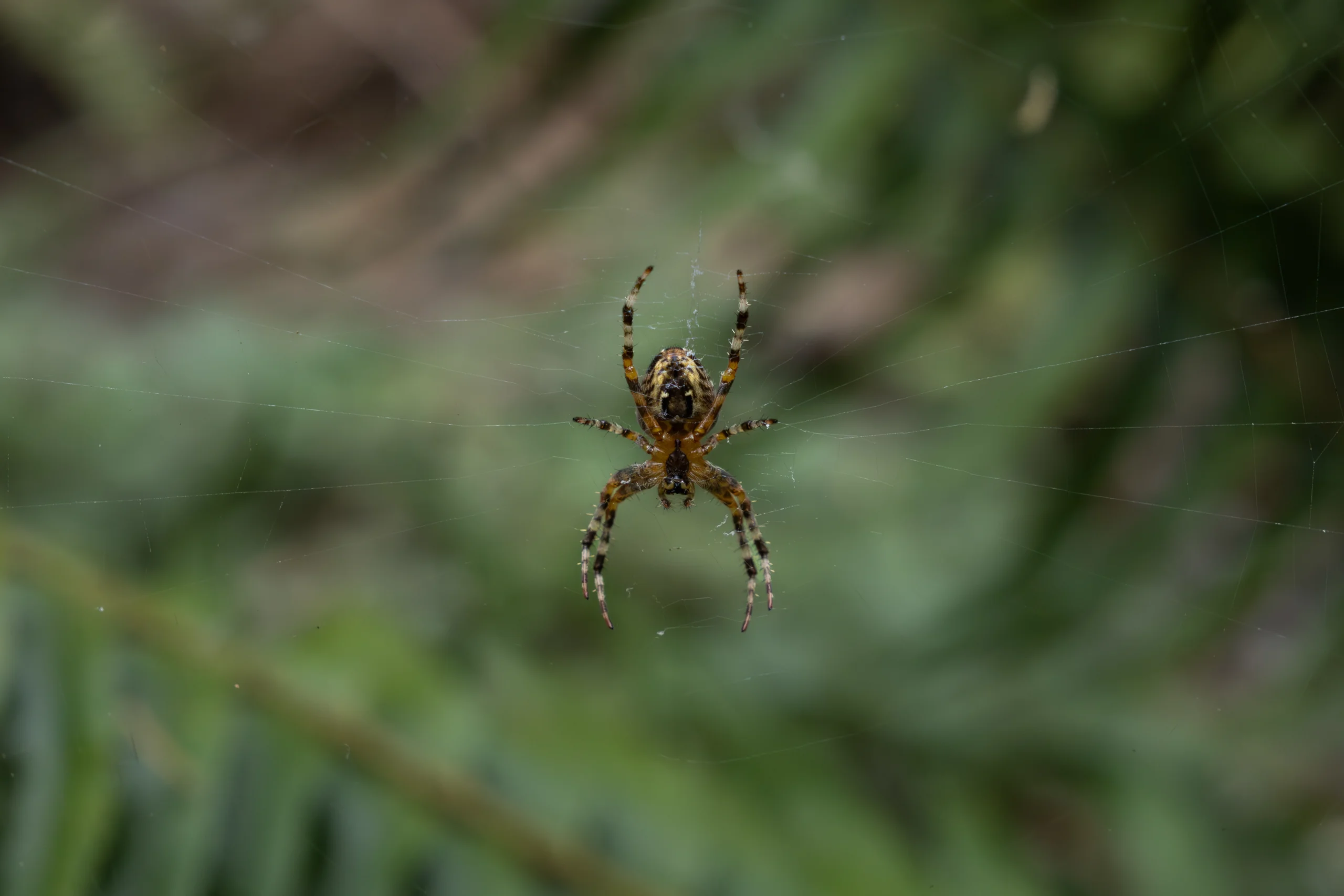
One of the coolest highlights of the walk was coming across a beaver dam! We didn’t see any beavers themselves but there were teeth marks on nearby tree stumps! We were told that beavers tend to come out around sunrise and sunset so we were a little bit too late! It’s one of those moments where the evidence of wildlife is almost as exciting as seeing the animal itself. I’ll definitely be back around the times the beavers are more active!
The Best Find: Wood Sorrels
If I had to pick a highlight of the event, it would be finding Wood Sorrels. On of the leaders pointed them out and mentioned that they were edible and tasted like Sour Patch Kids. I was still surprised when I tried one and tasted sweet and sour. Wood sorrels are a small clover looking plant that was pretty easy to spot once I knew what I was looking for!
Learning about wood sorrels wasn’t exactly what I thought I would get out of the BioBlitz but its the core of what it is. I walked dozens of plants without a second thought. Now, I when I walk, there is one more plant I can confidently identify! It’s a small thing but it will completely change how I look at plants on walk.
Urban Woods Initiative
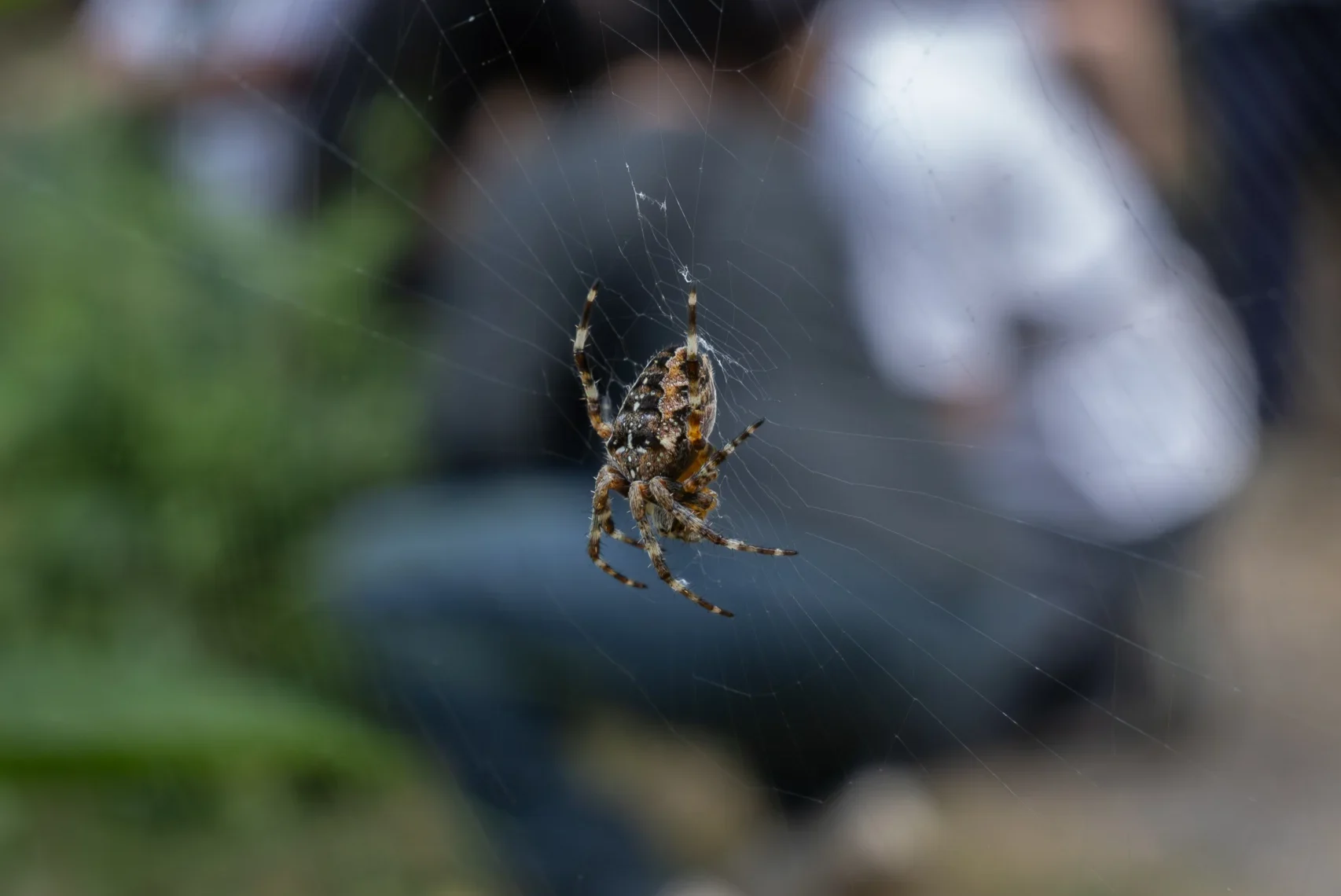
Urban-Woods Initiative put together a great and welcoming event! Their mission is to break down the barrier between people and nature, making experiences accessible to everyone!
Discovery Park is a perfect venue for that mission. It’s free, it’s in the city, and its a kind of place that people might never fully explore. Events like this BioBlitz give people a reason to stop, look around, and realize just how much is living right alongside them.
WILD Education
This event was a great reminder of what WILD Education is trying to be. Some of the best wildlife education doesn’t require a lot of resources. All it needs is community and curiosity (although a little guidance is helpful too). Urban-Woods Initiative provided all three so easily on a Saturday morning.
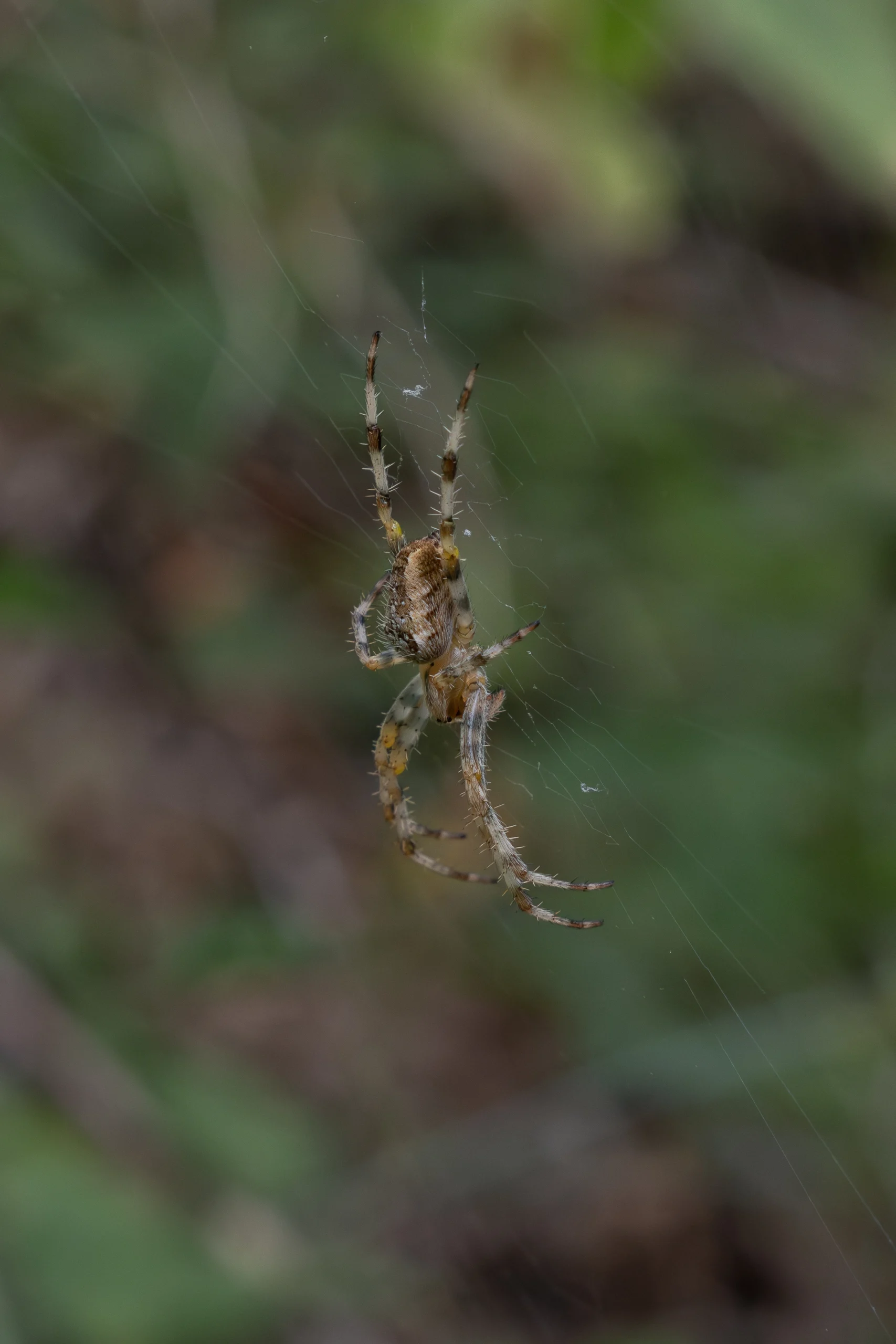
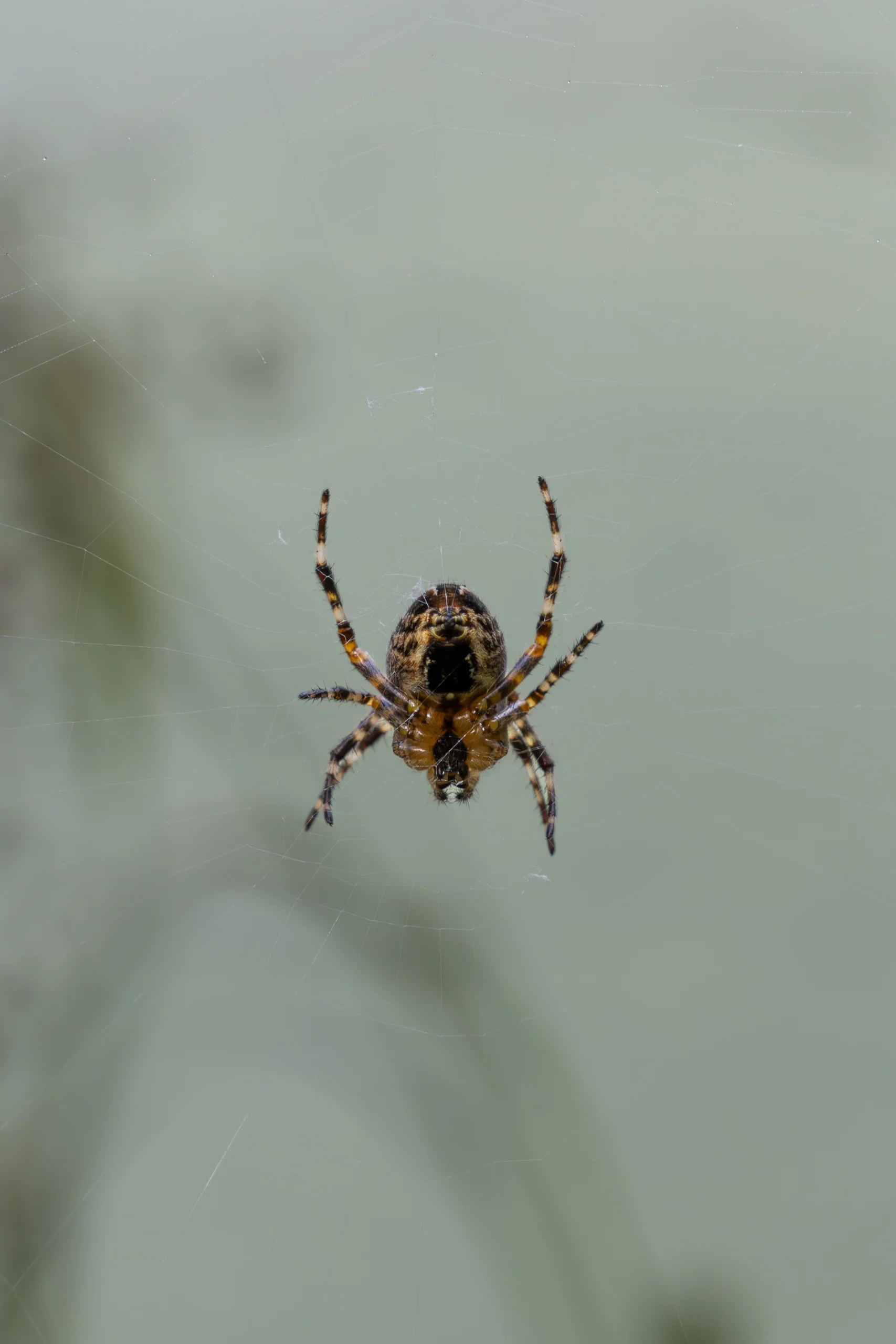
I would love to add BioBlitz event into WILD Education down the line. Whether it’s running my own BioBlitzs or becoming more involved in iNaturalist, there is a lot of potential with these types of events. iNaturalist is a tool I specifically want to start using more regularly to elevate WILD Education. It gives me a much better, more accurate way to research wildlife! You can see that these article’s images have more specific identifications thanks to iNaturalist!
Conclusion
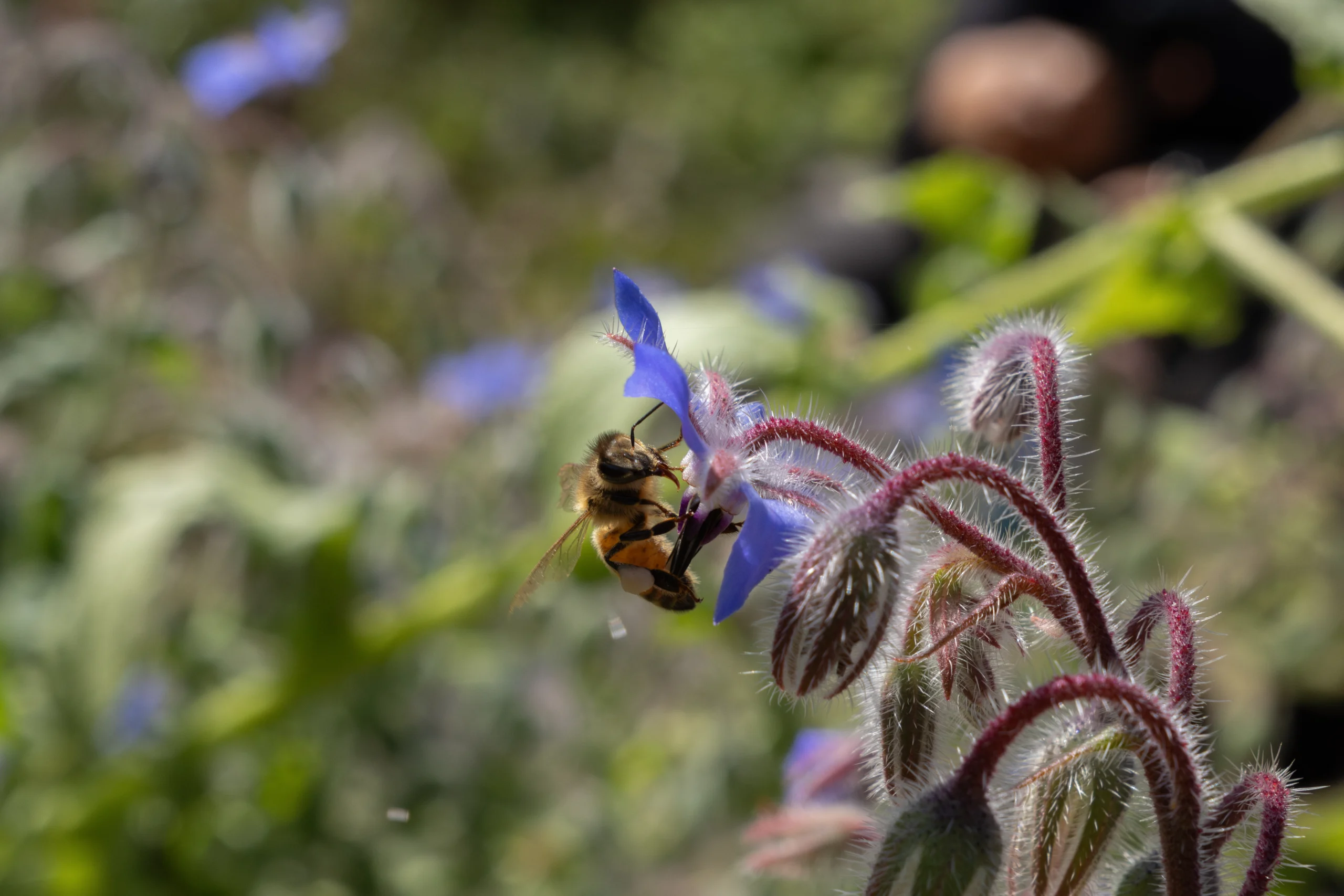
You don’t need to be a biologist to get something out of a BioBlitz. You just need a couple of free hours, a smartphone, and a willingness to slow down and look at what’s growing around you! If there is an organization like Urban-Woods Initiative is running an event near you, I strongly encourage you to try it out! Even if there isn’t I would try downloading iNaturalist and take it on your next walk. You might be surprised by what you’ve been walking past this whole time!
References and Further Research
Urban-Woods Initiative – https://www.instagram.com/urbanwoodsinitiative/
Wood sorrels – https://feralforaging.com/wood-sorrel/
iNaturalist – https://www.inaturalist.org/